
Ever since I gained consciousness, clothing and style, the way I presented myself and allowed the world to perceive me, meant something. And not just for me, style was meaningful and conductive of your values, what you believed in. While the world was not as strongly divided in two camps as it is now, the way you dressed, worn your hair, accessorised most times signaled at which side of the barricade you were on.
Growing up in Romania in the early 2000s, having an identity different from the mainstream also came with a price. I was bullied relentlessly, despite being a shy and quiet child by classmates and teachers alike, by random people on the street, as my “emo” identity was something pretty exotic for our backwards country at that time.
In this context, it’s been incessantly weird to see in my late teenage years, the things I was bullied for adopted by the “popular girls” and the mainstream. Leather jackets, studded accessories, ripped jeans, band Tshirts, they all had their time in the limelight and I would watch bemused as the girls who tortured me were then looking more like me than themselves.
Reflecting my identity through my style has always been important to me. Since aesthetics have mostly replaced subcultures, the lines got a little blurred and the correlation between what you look like and what you believe in was not as strong. Or so it seemed, for a while, innocuous until you noticed the small signs that hinted at the dreadful underbelly.
In 2020, though, cottagecore meant something.
Surprisingly, it had a lot more in common with the punk movement than you’d think at a first glance. It certainly had a lot more in common with punk than what it seems to signify today. A movement against capitalism, against the incessant “hustle” culture of ruthless, lonely cities, against the femininity-rejecting “not like other girls” girl bosses. Cottagecore girlies wanted a slower paced life, time to have real connections with people, animals and nature, dresses that healed their inner child and the possibility to embrace softness as a strength, not weakness. Softness as a form of protest, not submission.
Since then, much like in my teenage years, I have watched how people with values completely opposed to mine started to look like me again. Not only that, but how movements that were about rejecting capitalist systems became a slippery slope to compliance delicately wrapped in feminine fascist ribbon.
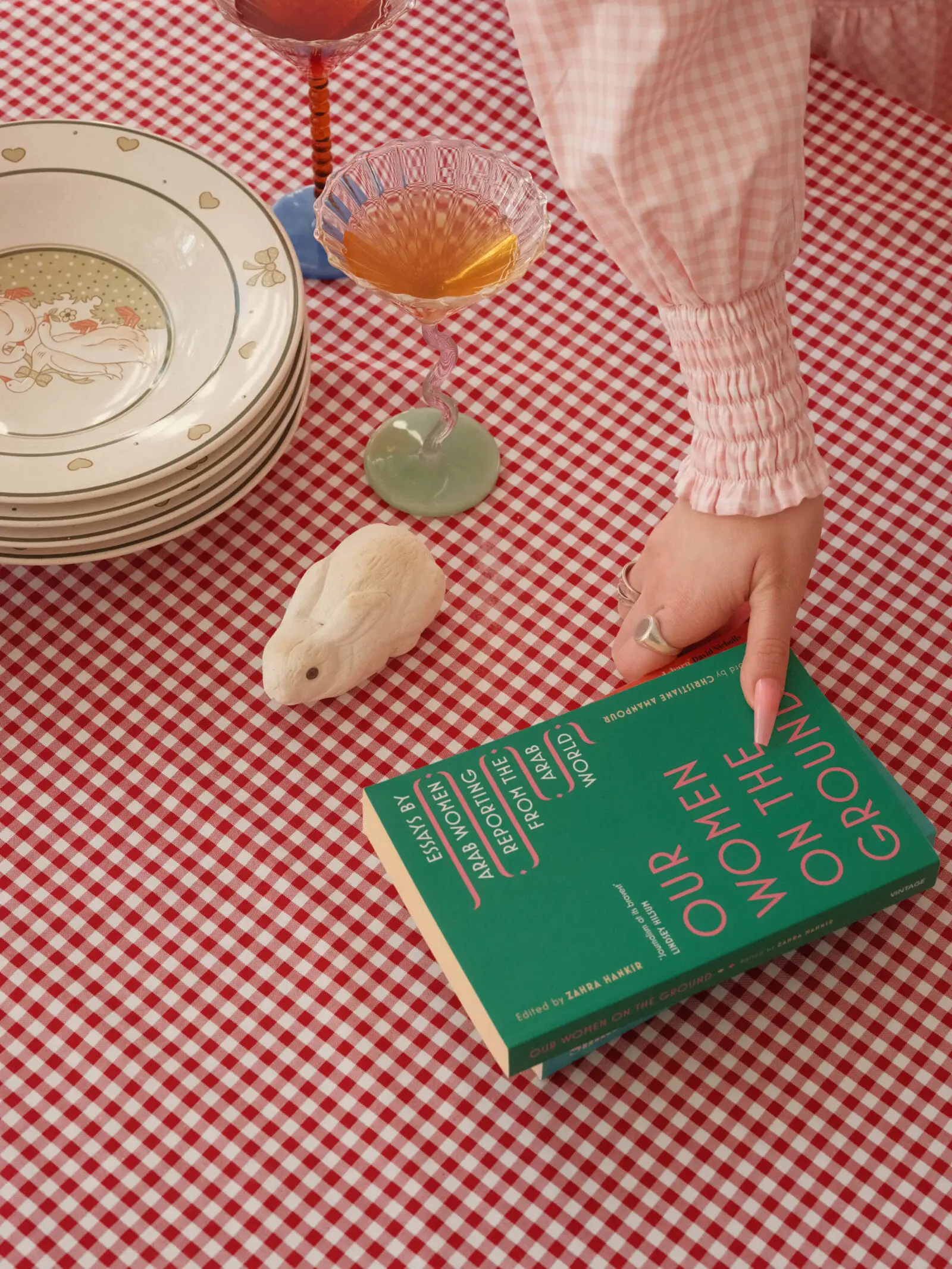
What was once a search for freedom presumably found freedom — in a gilded cage.


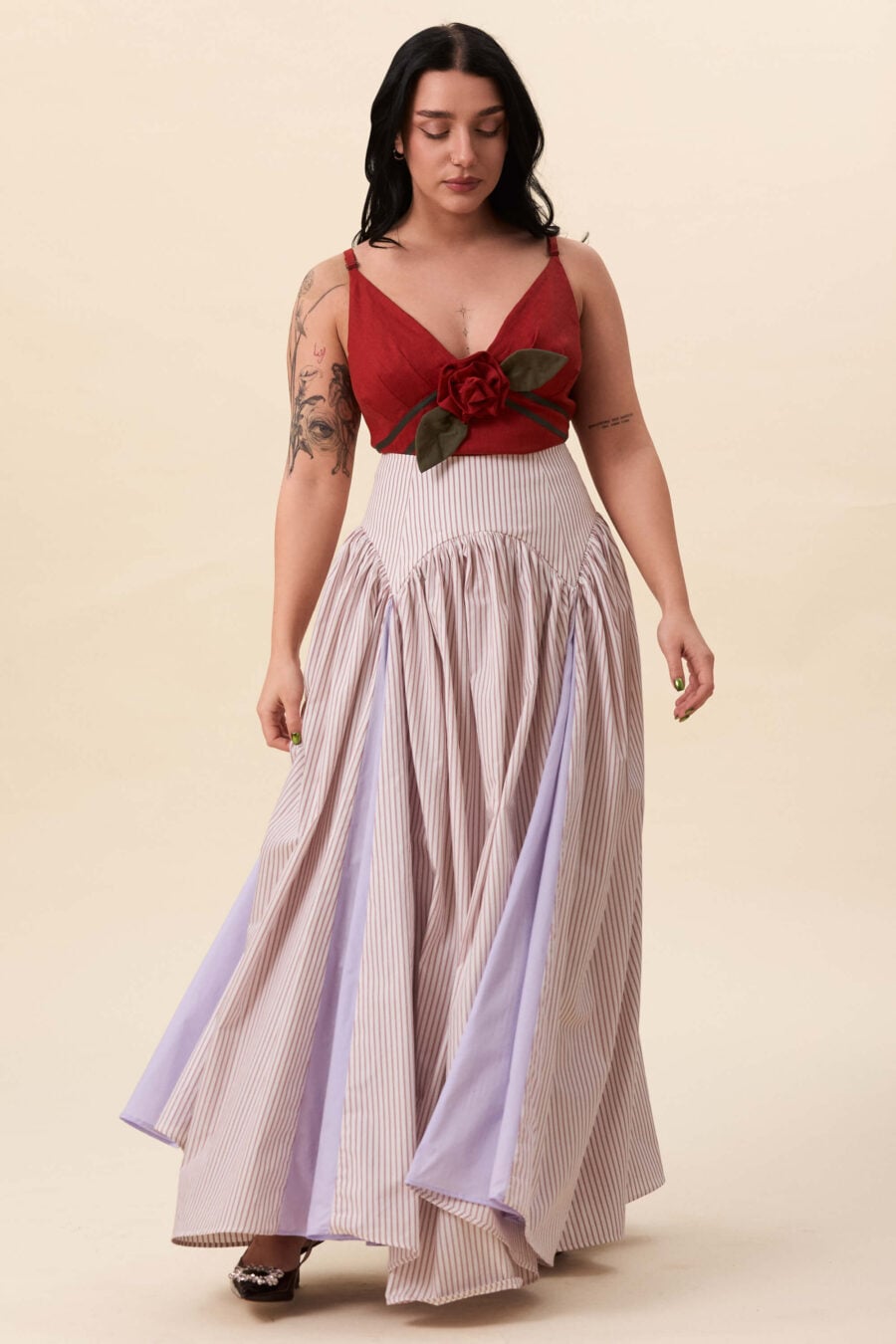
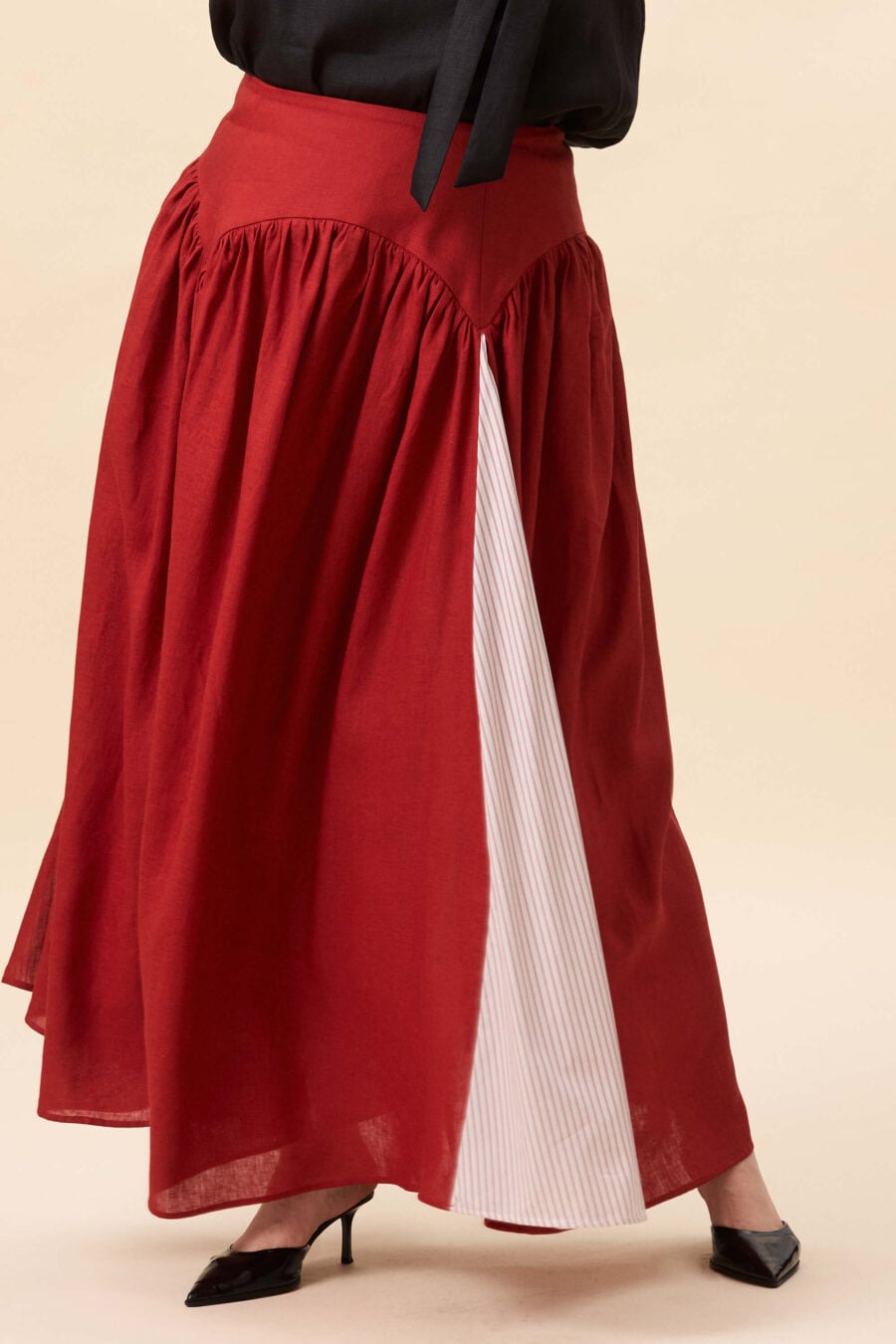
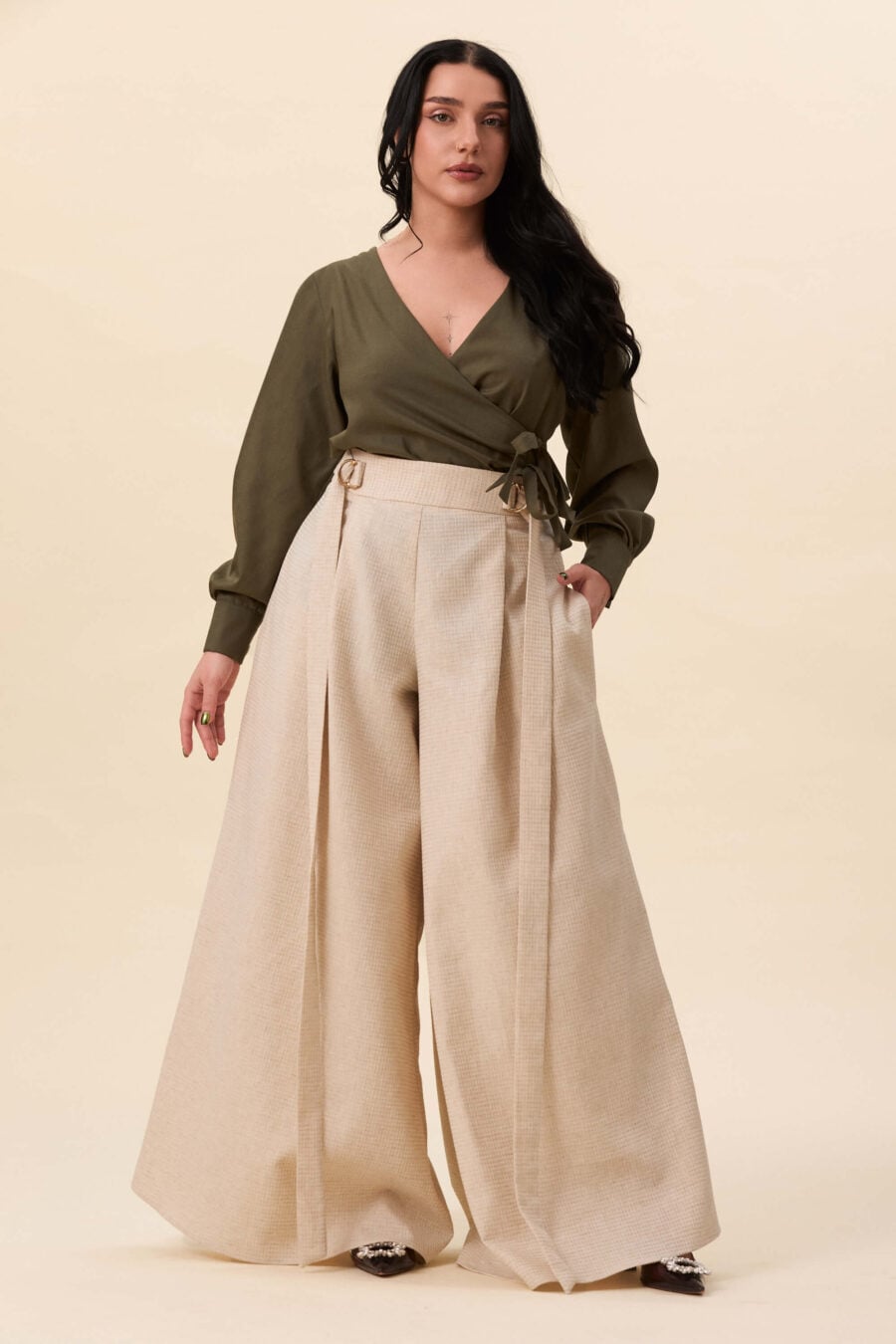
I was very reluctant to have this conversation even with myself, but it hit me like a ton of bricks last week, when I saw the mother of the trad-wife sphere, Hannah from Ballerina Farms wear a Selkie dress, the mother of the cottagecore, whimsical brands.
So, what does the way we dress say about us? I avoided thinking about this for as long as I could, but it’s time to question whether this romantic, vintage-inspired, "feminine" style started to carry a message that doesn’t quite align with who we are — or how we want to be seen?
Can you reclaim an aesthetic once it’s been co-opted—or is it already too late?
When a form of soft protest becomes a slippery slope for indoctrination, is it time to move on?